
JAMAICA
Jamaica is a Caribbean island nation located in the Greater Antilles, in the Americas, south of Cuba. Kingston is capital and largest city. Area : 10,991 km²Population : 2.839 million (2024) ; Currency : Jamaican Dollar – Official language : English
Jamaica, a vibrant island nation in the Caribbean, is known for its rich culture, stunning landscapes, and warm hospitality. From the bustling capital of Kingston to the tranquil beaches of Negril and the lush Blue Mountains, the island offers a mix of natural beauty, history, and modern attractions. Its diverse culture is expressed through music, festivals, cuisine, and the daily life of its people, making Jamaica a destination full of energy and authenticity.
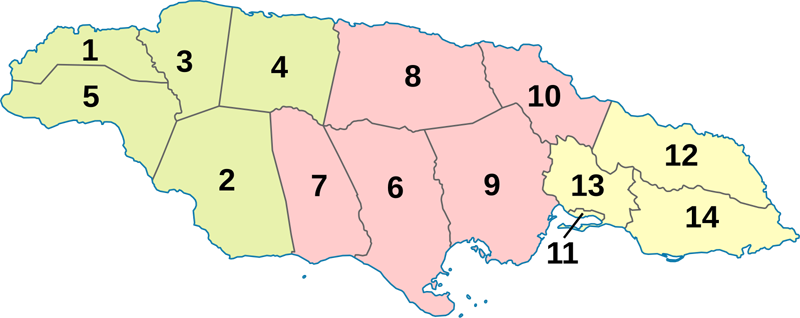
14 PARISHES
The island is divided into 14 parishes, each with its own unique character: Hanover, Saint James, Trelawny, Saint Ann, Saint Mary, Portland, Westmoreland, Saint Elizabeth, Manchester, Clarendon, Saint Catherine, Saint Andrew, Saint Thomas, and Kingston. From the coastal resorts of Saint James and Westmoreland to the mountainous landscapes of Saint Andrew and Manchester, and the historic towns of Saint Catherine and Clarendon, each parish contributes to the rich tapestry that makes Jamaica a truly remarkable island.
HANOVER
A Quiet Gem of the Western Coast
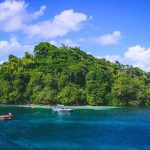
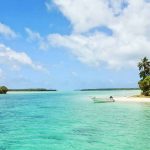
Hanover, Jamaica’s smallest parish, is a peaceful treasure tucked between the vibrant city of Montego Bay and the lush coastline of Westmoreland. Known for its rolling green hills, crystal-clear waters, and authentic rural charm, Hanover offers a slower, more intimate look at island life. Its capital, Lucea, sits on a picturesque horseshoe-shaped harbor—one of the most naturally sheltered bays in the Caribbean. Historic Georgian buildings, the iconic Lucea Clock Tower, and the bustling local market give the town a timeless character that blends tradition with everyday Jamaican culture.
Beyond Lucea, Hanover is home to some of Jamaica’s most beautiful landscapes. The area boasts hidden coves, rivers, and pristine beaches, many untouched by mass tourism. Agriculture thrives here, with local farmers producing yam, banana, and sugarcane, contributing to the parish’s reputation for fresh, flavorful produce. Hanover’s warm and welcoming communities reflect the heart of Jamaican hospitality, making every visitor feel like family.
Whether it’s exploring quiet fishing villages, enjoying scenic coastal drives, or connecting with the parish’s rich heritage, Hanover offers an authentic and refreshing experience. It is a place where nature, culture, and community come together—calm, colorful, and unmistakably Jamaican.
KINGSTON
The Cultural and Economic Heart of the Island
Kingston, Jamaica’s bustling capital, is the island’s energetic heartbeat—a city where culture, history, and innovation meet. Nestled between the Blue Mountains and the world’s seventh-largest natural harbor, Kingston is a vibrant blend of urban life and natural beauty. It is the birthplace of reggae music and home to iconic institutions such as the Bob Marley Museum, the National Gallery of Jamaica, and the Institute of Jamaica, each preserving and celebrating the country’s artistic and cultural legacy.
As Jamaica’s primary economic hub, Kingston pulses with activity. The city’s business district, New Kingston, features modern offices, lively restaurants, and a thriving nightlife, while historic neighborhoods like Downtown Kingston reveal the island’s colonial past through striking architecture and heritage sites. Coronation Market, one of the Caribbean’s largest open-air markets, showcases the everyday rhythm of local life, filled with vendors, fresh produce, and authentic Jamaican flavor.
Just beyond the city streets, natural escapes await. The Blue Mountains offer breathtaking trails, cool breezes, and world-famous coffee plantations, while the nearby Palisadoes strip leads to the historic town of Port Royal, once known as the “wickedest city on earth.” Together, these contrasts make Kingston uniquely captivating—dynamic yet deeply rooted, modern yet unmistakably Jamaican.
WESTMORELAND
Coastal Beauty and Rich Cultural Roots
Westmoreland, located on Jamaica’s southwestern coast, is a parish known for its breathtaking shorelines, warm hospitality, and deep cultural heritage. Its most famous town, Negril, draws visitors from around the world with its iconic Seven Mile Beach—an unbroken stretch of powdery white sand and crystal-clear turquoise waters. Beyond its vibrant resorts and lively nightlife, Negril also offers serene cliffs, secluded coves, and unforgettable sunsets that make it one of the island’s most cherished destinations.
Yet Westmoreland is far more than its coastline. Inland, the parish reveals a lush landscape of wetlands, sugarcane fields, and rural communities that reflect the heart of Jamaican life. Agriculture continues to anchor the local economy, with farmers cultivating cane, banana, coconut, and yam across its fertile plains. The Great Morass, one of Jamaica’s largest natural wetlands, is home to unique wildlife and forms an essential part of the parish’s ecological identity.
Westmoreland’s history is equally rich, shaped by the island’s African and European influences. Heritage sites, old estates, and cultural festivals keep these stories alive, while the parish’s lively towns—Savanna-la-Mar being the capital—offer a welcoming blend of tradition and modern Jamaican spirit.
Whether relaxing on sun-drenched beaches, exploring rural landscapes, or connecting with its vibrant communities, Westmoreland offers an experience that is both laid-back and deeply rooted in Jamaica’s natural and cultural beauty.
SAINT ELIZABETH
The Food Basket and Hidden Coast of the South
Saint Elizabeth, one of Jamaica’s largest parishes, is a land of warm people, fertile plains, and striking natural contrasts. Often called the “Breadbasket of Jamaica,” the parish is renowned for its vast agricultural output—fields of yam, tomato, melon, and sugarcane stretching across the Pedro Plains and Santa Cruz Mountains. Generations of farmers have shaped this landscape, making Saint Elizabeth a pillar of Jamaica’s food security and rural heritage.
Its capital, Black River, holds a significant place in the island’s history. Once a bustling seaport and one of the first Jamaican towns to receive electricity and automobiles, Black River today preserves its old-world charm through Georgian architecture, fishing culture, and its famous river safari. The Black River itself is a major attraction, home to mangroves, crocodiles, and a rich ecosystem that draws nature lovers and adventurers alike.
Along the south coast, St. Elizabeth reveals a quieter side of Jamaican tourism. Treasure Beach—known for its calm waters, boutique guesthouses, and community-driven ethos—offers a peaceful escape far from the island’s busier resort areas. Nearby, the YS Falls provide some of Jamaica’s most scenic natural pools, while the Appleton Estate Rum Distillery highlights the parish’s deep-rooted traditions in rum production.
Saint Elizabeth’s blend of agriculture, heritage, and natural wonders makes it a place where everyday life and beauty come together effortlessly. It is a parish defined by resilience, community pride, and the unmistakable spirit of rural Jamaica.
MANCHESTER
Cool Hills, Innovation, and Quiet Charm
Manchester, set high in Jamaica’s south-central mountains, is known for its cool climate, rolling hills, and serene way of life. Its capital, Mandeville, sits more than 2,000 feet above sea level—making it one of the few major Caribbean towns with naturally mild temperatures year-round. This refreshing climate, combined with its tidy streets, historic homes, and thriving local commerce, gives Manchester a distinctive charm that has long attracted returning residents and new families alike.
Mandeville’s history is deeply tied to bauxite mining, which for decades helped shape the parish’s economic landscape. Today, Manchester continues to grow as a hub for education, business, and quiet suburban living. Elegant old houses, lush gardens, and well-kept public spaces reflect the parish’s blend of tradition and modern development.
Outside the town center, Manchester offers a rich variety of natural and cultural experiences. The parish is dotted with small farming communities where yam, coffee, vegetables, and citrus thrive in the elevated soil. Places like Christiana and Newport are important agricultural centers, while the beautiful Carpenter’s Mountain provides impressive views of the surrounding countryside. Manchester is also home to historic churches, mineral springs, and peaceful retreats tucked away among greenery.
With its balanced mix of cool weather, steady growth, and scenic landscapes, Manchester stands out as one of Jamaica’s most livable and inviting parishes. It is a place where community pride runs deep and the calm of rural Jamaica meets the comforts of modern life.
CLARENDON
Heart of Industry and Natural Beauty
Clarendon, located in south-central Jamaica, is a parish of contrasts, blending rich agriculture, historic towns, and thriving industry. Its capital, May Pen, serves as a bustling commercial hub, with markets, schools, and government offices reflecting the parish’s role as a center for both trade and daily life. May Pen’s vibrant energy offers visitors a glimpse into the heartbeat of rural and urban Jamaica combined.
Clarendon is famed for its fertile plains, which support sugarcane, banana, and vegetable farming, earning it a key place in Jamaica’s agricultural economy. Beyond the farmlands, the parish features diverse landscapes, from the scenic Milk River and its famous mineral springs to the rolling hills and forests of the central region. These natural treasures attract both locals and tourists seeking relaxation, adventure, or the healing waters of Jamaica’s oldest spa.
Industry also plays a significant role in Clarendon’s identity. Bauxite mining and manufacturing contribute to the parish’s economy, while small communities preserve cultural traditions and the warmth of Jamaican hospitality. Festivals, music, and local cuisine are integral to parish life, reflecting a proud heritage and vibrant community spirit.
Whether exploring historic towns, enjoying the lush countryside, or experiencing local culture firsthand, Clarendon offers a dynamic and authentic taste of Jamaica. It is a parish where nature, tradition, and modern growth meet in harmony.
SAINT CATHERINE
A Blend of History, Industry, and Culture
Saint Catherine, located in south-central Jamaica, is a vibrant parish that bridges the island’s historic roots with its modern growth. Its capital, Spanish Town, is one of Jamaica’s oldest settlements and served as the island’s capital for over 200 years. Walking through its streets, visitors encounter Georgian-era architecture, ancient churches, and historic landmarks, all reflecting a rich colonial and cultural heritage.
Beyond its history, Saint Catherine is an economic powerhouse. The parish is home to a diverse mix of industries, including manufacturing, agriculture, and commerce, supporting bustling towns like Linstead and Old Harbour. The fertile plains of the Rio Cobre valley provide abundant crops, from sugarcane and bananas to vegetables, sustaining both local communities and Jamaica’s broader economy.
Nature and culture coexist seamlessly in Saint Catherine. The Rio Cobre river meanders through the landscape, while the nearby Hellshire Hills and beaches offer opportunities for outdoor recreation. Festivals, music, and local cuisine celebrate the parish’s lively spirit and community pride, making it a destination that captures the essence of Jamaican life.
Saint Catherine is a place where history, industry, and natural beauty converge. From its historic streets to its fertile lands, it reflects the resilience, creativity, and warmth that define Jamaica.
SAINT ANDREW
The Bustling Heart Beside Kingston
Saint Andrew, a parish that surrounds much of Kingston, is a dynamic mix of urban energy, natural beauty, and cultural richness. Often considered part of the Kingston Metropolitan Area, it includes both the vibrant city life of the capital and tranquil communities nestled in the Blue Mountains. From bustling commercial hubs like Half-Way-Tree to peaceful mountain villages, Saint Andrew offers an extraordinary variety of experiences.
The parish is a center of education, business, and culture. Institutions such as the University of the West Indies and local cultural centers contribute to a thriving intellectual and artistic scene. Its neighborhoods are dotted with historic buildings, scenic parks, and lively markets, reflecting a blend of modern development and rich heritage.
Nature is never far away in Saint Andrew. The Blue Mountains dominate the northern landscape, providing hiking trails, coffee plantations, and breathtaking views over the island. Rivers, waterfalls, and green valleys complement urban spaces, creating a parish that balances city life with the serenity of the countryside.
Saint Andrew is where Jamaica’s pulse is most evident—its economy, education, culture, and natural beauty converge to form a parish that is both lively and welcoming. It is a place where tradition and modernity exist side by side, offering residents and visitors alike a true taste of Jamaican life.
SAINT MARY
Coastal Beauty and Historical Charm
Saint Mary, located on Jamaica’s northeastern coast, is a parish where lush mountains meet the sparkling Caribbean Sea. Its capital, Port Maria, is a historic town with Georgian-era architecture, charming streets, and a deep connection to Jamaica’s past. Visitors to Port Maria can explore heritage sites, local markets, and the serene harbor that has long been a center of trade and community life.
The parish is rich in natural beauty. Rolling hills, rivers, and fertile valleys support agriculture, including sugarcane, bananas, and various fruits, sustaining local communities and the island’s economy. Saint Mary is also home to some of Jamaica’s most scenic waterfalls, including the famous Firefly Estate, once the home of playwright Sir Noël Coward, offering panoramic views and tranquil surroundings.
Coastal areas of Saint Mary feature inviting beaches and fishing villages, providing a peaceful escape for those seeking relaxation and authentic Jamaican culture. Festivals, music, and culinary traditions reflect the vibrant spirit of the parish, where community pride and heritage are celebrated in everyday life.
Saint Mary is a place where history, nature, and culture come together, offering a rich and authentic Jamaican experience. From its mountains to its coastline, it embodies the warmth, beauty, and resilience that define the island.
SAINT THOMAS
Untamed Beauty and Coastal Charm
Saint Thomas, Jamaica’s easternmost parish, is a land of rugged mountains, deep valleys, and a scenic coastline along the Caribbean Sea. Its capital, Morant Bay, is historically significant as the site of the 1865 Morant Bay Rebellion, an important event in Jamaica’s journey toward social justice. Today, the town balances its rich history with a sense of community and resilience that defines the parish.
The parish is known for its natural beauty. The Blue Mountains extend into Saint Thomas, offering lush forests, rivers, and waterfalls, making it a haven for hikers, nature lovers, and photographers. Along the coast, quiet beaches and fishing villages reveal a more tranquil side of Jamaica, where traditional ways of life continue alongside stunning scenery.
Agriculture plays an important role in Saint Thomas, with small farms producing yams, bananas, and other tropical crops. Local culture thrives through music, festivals, and culinary traditions, giving visitors an authentic taste of parish life. Its combination of history, natural landscapes, and warm communities makes Saint Thomas a unique and inviting destination.
Saint Thomas is where Jamaica’s wild beauty and proud heritage meet. From mountain trails to peaceful shores, it offers a refreshing, authentic experience for all who explore this eastern corner of the island.
PORTLAND
Lush Landscapes and Coastal Serenity
Portland, located on Jamaica’s northeastern coast, is a parish renowned for its dramatic natural beauty, lush rainforests, and pristine beaches. Its capital, Port Antonio, is a picturesque town set on a sheltered harbor, historically known for banana exports and now celebrated for its charming streets, vibrant markets, and relaxed atmosphere. Visitors are drawn to the town’s mix of culture, history, and scenic surroundings.
The parish is home to some of Jamaica’s most stunning natural attractions. The Blue Mountains stretch into Portland, providing cool, misty highlands, scenic trails, and the famous Blue Lagoon—a striking turquoise lagoon perfect for swimming and photography. Waterfalls, rivers, and tropical forests abound, offering adventures from hiking to river rafting, while the coastline features hidden coves and quiet beaches far from mass tourism.
Portland’s communities maintain strong ties to traditional agriculture and fishing, producing fresh fruits, vegetables, and seafood. Festivals, music, and culinary traditions bring the parish to life, reflecting the warmth and resilience of its residents. Portland’s mix of untouched nature, rich culture, and welcoming locals makes it a true gem of Jamaica’s eastern coast.
From its lush mountains to its serene coastline, Portland offers an unforgettable experience where Jamaica’s natural beauty and cultural heritage shine.
SAINT JAMES
Tourism, Culture, and Coastal Vibrancy
Saint James, located on Jamaica’s northwestern coast, is best known for Montego Bay, one of the island’s most famous tourist destinations. Montego Bay, often called “MoBay,” blends stunning beaches, vibrant resorts, and historic landmarks, making Saint James a hub for visitors seeking both relaxation and adventure. Beyond the resorts, the parish offers a lively cultural scene, from bustling markets to music and art festivals that celebrate Jamaican heritage.
The parish’s landscapes extend from golden beaches to rolling hills and fertile farmland. Sugarcane and banana plantations thrive alongside smaller agricultural communities, contributing to Saint James’ economy and sustaining local traditions. Historic sites, including old forts and churches, reflect the parish’s colonial past and rich heritage.
Saint James is also a center for sports, education, and business, providing a balanced mix of urban energy and natural beauty. River excursions, waterfalls, and nearby islands add to the parish’s appeal, offering outdoor experiences for both locals and tourists.
With its combination of world-class tourism, vibrant culture, and scenic landscapes, Saint James captures the essence of Jamaica’s northwestern coast. It is a parish where tradition, leisure, and community spirit coexist in perfect harmony.
TRELAWNY
Rich Heritage and Coastal Charm
Trelawny, located on Jamaica’s north coast, is a parish known for its rich history, fertile lands, and stunning beaches. Its capital, Falmouth, is a historic town with beautifully preserved Georgian architecture, cobblestone streets, and a bustling harbor that once made it a key center for sugar exports. Today, Falmouth combines its heritage with modern tourism, offering visitors a unique glimpse into Jamaica’s past.
The parish’s landscape is both productive and picturesque. Fertile plains support sugarcane, banana, and vegetable farming, while rolling hills and rivers create scenic backdrops for rural communities. Trelawny is also home to some of Jamaica’s most famous athletes, giving the parish a proud sporting legacy.
Coastal attractions include Doctor’s Cave Beach and other pristine shoreline areas, ideal for relaxation, swimming, and water sports. Inland, rivers, forests, and historic estates provide opportunities for exploration and adventure. Festivals, music, and local cuisine bring the parish’s communities to life, reflecting the warmth and culture that define Trelawny.
With its blend of history, natural beauty, and community spirit, Trelawny stands as a welcoming destination that embodies Jamaica’s charm and heritage.
SAINT ANN
The Garden Parish and Land of Legends
Saint Ann, located on Jamaica’s northern coast, is often called the “Garden Parish” for its lush landscapes, fertile valleys, and vibrant flora. Its capital, Saint Ann’s Bay, is steeped in history, being the site of the island’s first Spanish settlement and birthplace of Christopher Columbus’s visits. Today, the town blends heritage with modern life, offering visitors historic landmarks, bustling markets, and a welcoming local community.
The parish is famous for its natural beauty. Rolling hills, waterfalls, rivers, and fertile plains support agriculture, including sugarcane, bananas, and fruits. Inland, Saint Ann features scenic attractions like the Dunn’s River Falls near Ocho Rios—a world-renowned waterfall drawing tourists from across the globe—and the Blue Hole, a hidden gem for adventurous swimmers. The coastline is dotted with beaches and charming towns, offering both relaxation and exploration.
Saint Ann is also a cultural hub, with music, festivals, and culinary traditions that reflect the parish’s rich heritage. Its communities are proud of their contributions to Jamaica’s history, tourism, and arts, making the parish both lively and deeply rooted in tradition.
From lush gardens to coastal beauty, Saint Ann offers a captivating experience where Jamaica’s history, culture, and natural wonders come together. It is a parish that truly celebrates the spirit of the island.