
Prime Ministers
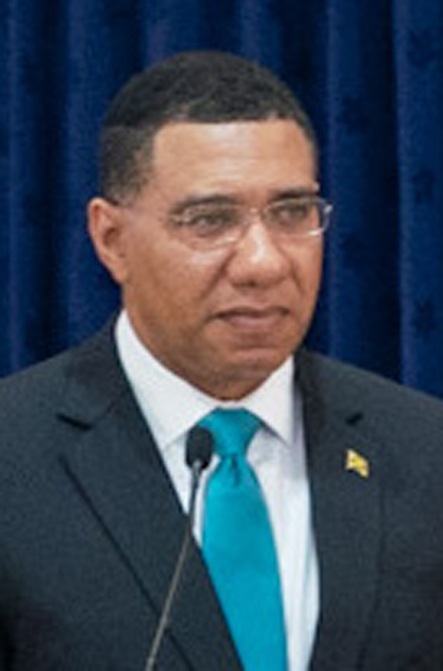
Andrew Michael Holness
A New Generation of Leadership
Andrew Holness, Jamaica’s ninth and current Prime Minister, represents a new era of leadership in the country’s history. Born in 1972 — the first Prime Minister born after Jamaica’s Independence — Holness brings a forward-thinking, modern approach to national development. After entering Parliament at just 25 years old, he quickly gained a reputation for his discipline, strategic thinking, and focus on youth empowerment.
Serving briefly in 2011–12 and then from 2016 to the present, Holness has concentrated on economic growth, infrastructure expansion, educational reform, and aggressive policies to reduce crime. He emphasizes public-private partnerships, digital transformation, and sustainable development. His administration has overseen major road projects, housing initiatives, and technology-driven improvements.
Holness stands as a symbol of the next generation of Jamaican leadership — confident, ambitious, and ready to guide the nation into a more advanced global future.
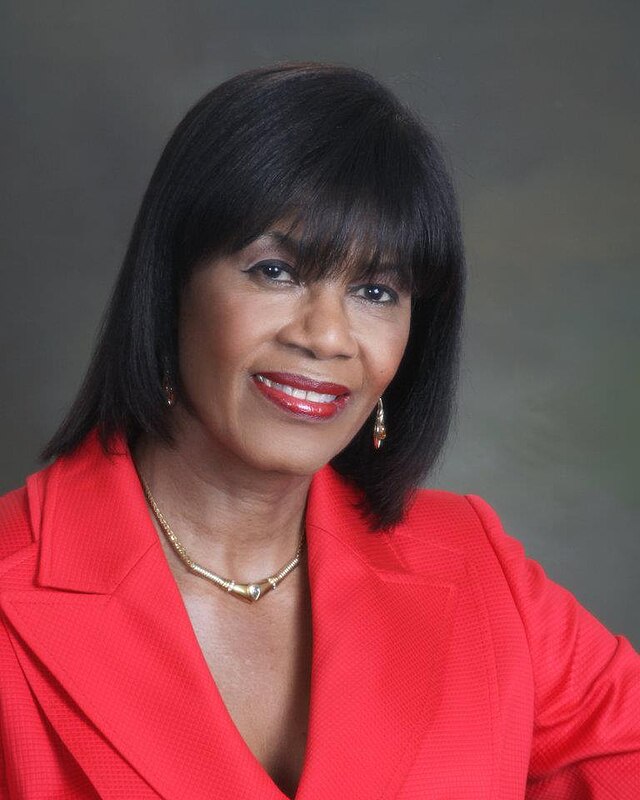
Portia Lucretia Simpson-Miller
Trailblazer, First Woman Prime Minister of Jamaica
Portia Simpson-Miller, Jamaica’s first female Prime Minister, broke historic barriers and inspired millions with her warm, compassionate, and people-centered leadership. Born in 1945 in Wood Hall, St. Catherine, she rose through the ranks of the People’s National Party through sheer determination and love for community.
Her terms in office (2006–2007, 2012–2016) emphasized social justice, empowerment of the poor, improved housing, education access, and health services. Known affectionately as “Mama P,” she was admired for her direct connection with ordinary Jamaicans and her belief that leadership must serve those most in need.
Simpson-Miller also strengthened Jamaica’s global reputation, representing the island with confidence and charisma. Her legacy is one of pioneering leadership and unwavering dedication to fairness and inclusion.
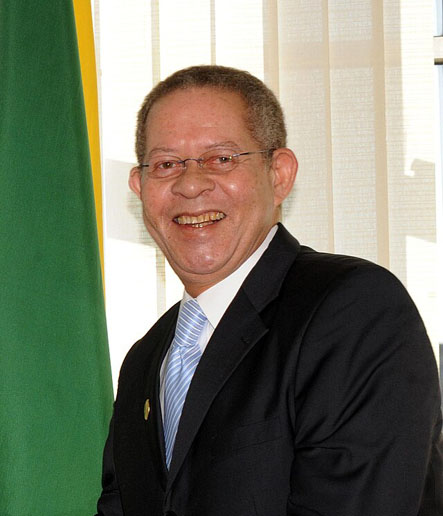
Orette Bruce Golding
Reformer, Modernizer & Institutional Strengthener
Bruce Golding, Jamaica’s eighth Prime Minister, served from 2007 to 2011 and is known for his focus on institutional reform, governance improvement, and national security. Born in 1947, Golding entered politics with a reputation for strong analytical thinking and a commitment to public accountability.
During his time in office, he worked to modernize Jamaica’s justice system, improve infrastructure, and address longstanding issues of crime and public safety. Golding also emphasized responsible government, transparency, and reforms aimed at increasing public trust. His leadership came during a challenging period economically and socially, but his determination to strengthen national systems left an important impact.
Golding’s legacy reflects a dedication to practical solutions and structural improvements, helping set the stage for continuing reforms in the decades that followed.
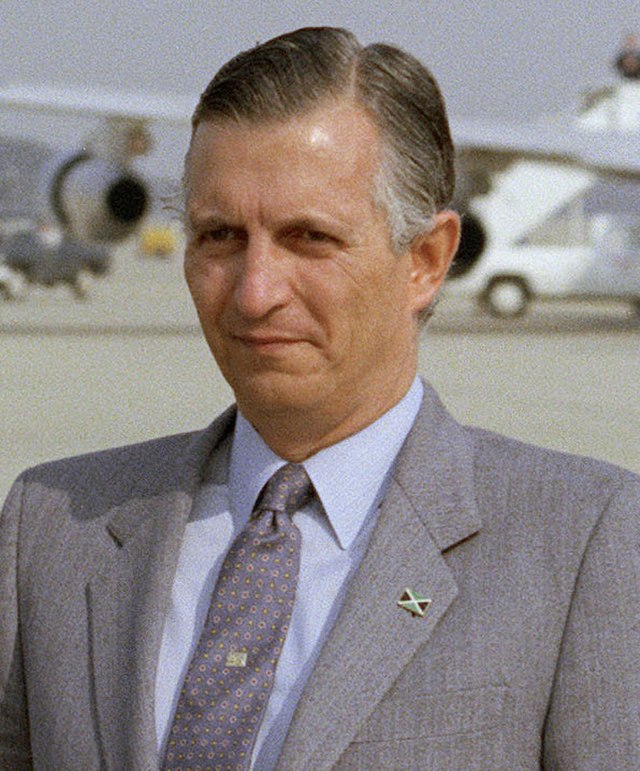
Edward Philip George Seaga
Architect of Modernization, Keeper of Culture
Edward Seaga, Jamaica’s fifth Prime Minister, served from 1980 to 1989, guiding the nation through one of its most complex and transformative periods. Born in Jamaica in 1930, Seaga developed a profound love for culture and history, producing significant research on Jamaican folk traditions and religion long before entering politics.
His leadership emphasized economic development, modernization, and international partnerships. He initiated major reforms to stabilize the economy, improve infrastructure, and encourage foreign investment. Seaga was also deeply committed to cultural preservation—supporting national institutions, music, archives, and social programs that celebrated Jamaican identity.
Although his tenure faced challenges, particularly economic pressures and political tensions, Seaga’s long-term vision shaped Jamaica’s financial system and cultural heritage. His legacy stands on two pillars: a strong economic framework and the preservation of Jamaican culture for generations to come.
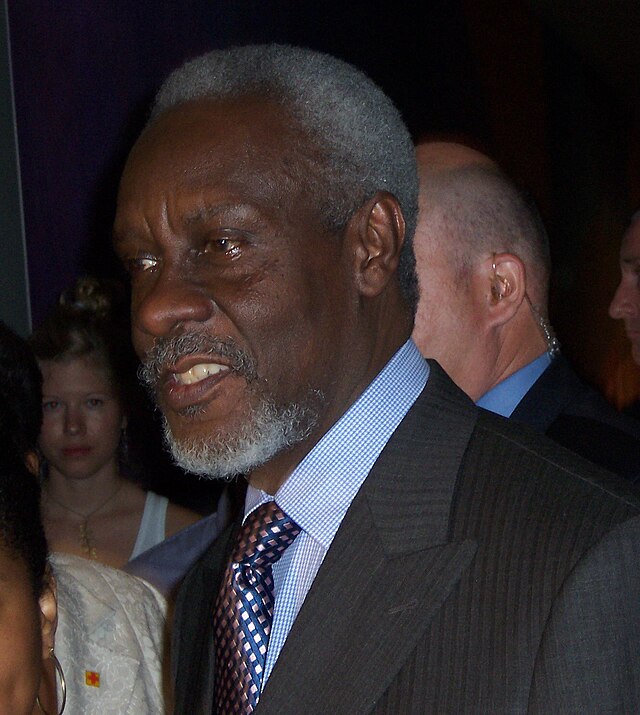
Percival Noel James Patterson
The Stabilizer & Longest-Serving Prime Minister
P.J. Patterson, Jamaica’s longest-serving Prime Minister (1992–2006), is celebrated for his steady hand, diplomatic style, and commitment to long-term national development. Born in Hanover in 1935, Patterson was known early on for his sharp intellect and legal acumen. His career in politics blossomed under the People’s National Party, where he served in several ministerial roles before assuming the highest office.
His tenure was marked by modernization of the economy, expansion of social programs, improvements in infrastructure, and robust foreign diplomacy. Patterson championed regional cooperation through CARICOM and worked to position Jamaica as a respected voice in international affairs. At home, he focused on education reform, technology advancement, and opportunities for young Jamaicans.
Admired for his patient, thoughtful leadership, Patterson helped guide Jamaica through challenges with calm determination. His years in office left a foundation of stability that continues to influence the nation today.
Michael Norman Manley
Champion of Social Justice & The People’s Advocate
Michael Manley, one of Jamaica’s most transformative leaders, served as Prime Minister in two eras (1972–1980, 1989–1992). A gifted orator, visionary thinker, and global advocate for justice, Manley’s leadership redefined Jamaican politics. Born into a prominent family in 1924, he chose a life dedicated to the empowerment of the working class, championing equality, education, and human dignity.
His first term ushered in sweeping social reforms: free education, increased workers’ rights, expanded healthcare, and major investments in housing. Manley believed fiercely in fairness, introducing policies inspired by democratic socialism to uplift the poor and build national unity. His charismatic speeches and inclusive style earned him tremendous support among ordinary Jamaicans.
Though his policies sparked international tension, especially during the Cold War, Manley remained firm in his belief that every Jamaican deserved equal opportunity. Returning to power in 1989, he guided the country toward stability and modernization. His legacy is one of courage, compassion, and unwavering commitment to social justice.
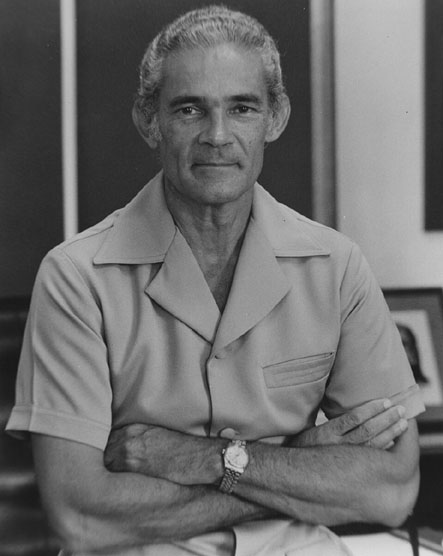
Hugh Lawson Shearer
Builder of Opportunity, Education & National Pride
Hugh Lawson Shearer, Jamaica’s third Prime Minister, brought a unique blend of humble charm, leadership, and vision to the office. Born in St. Elizabeth in 1923, Shearer rose from a small rural community to become one of Jamaica’s most influential labor leaders. His early work with the Bustamante Industrial Trade Union shaped his future, grounding him in the needs of working people and giving him a principled commitment to justice and opportunity.
As Prime Minister from 1967 to 1972, Shearer presided over a period of national growth. Major investments were made in mining, tourism, and infrastructure, and under his leadership Jamaica expanded its international presence. One of Shearer’s proudest accomplishments was the dramatic expansion of secondary education, with dozens of new schools built to serve future generations. His calm demeanor, negotiation skills, and genuine warmth made him a respected statesman both at home and abroad.
Today, Shearer is remembered not only as a national leader, but as a man who believed deeply in Jamaica’s potential and worked tirelessly to make it brighter for all.

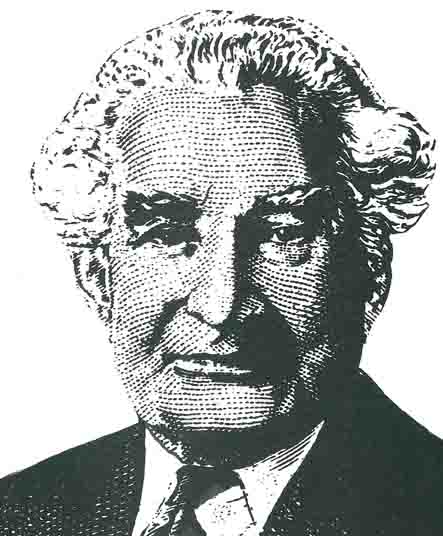
Sir Alexander Bustamante
Founding Father of Independent Jamaica
Sir Alexander Bustamante, one of the most colorful and charismatic figures in Jamaica’s modern history, stands as a true champion of the people. Born in Hanover in 1884, he rose from humble beginnings to become Jamaica’s first Prime Minister at the time of Independence in 1962. His bold personality, fearless advocacy, and unwavering commitment to workers’ rights defined his leadership and left a lasting imprint on Jamaica’s political landscape.
Bustamante’s early years were marked by travel and varied occupations, experiences that gave him deep insight into the lives of ordinary people. His return to Jamaica in the 1930s brought him into the heart of labor unrest, where he quickly emerged as a vocal defender of workers. In 1938, he founded the Bustamante Industrial Trade Union (BITU)—a movement that reshaped Jamaica’s labor rights forever.
His leadership helped inspire hope among the working class, and his natural charisma propelled him into national politics. Bustamante became the founder of the Jamaica Labour Party (JLP) and later guided Jamaica into independence. His boldness sometimes sparked controversy, but his bravery, humor, and unforgettable personality made him one of Jamaica’s most iconic leaders. Declared a National Hero in 1969, his legacy continues to shine brightly in the story of Jamaican nationhood.
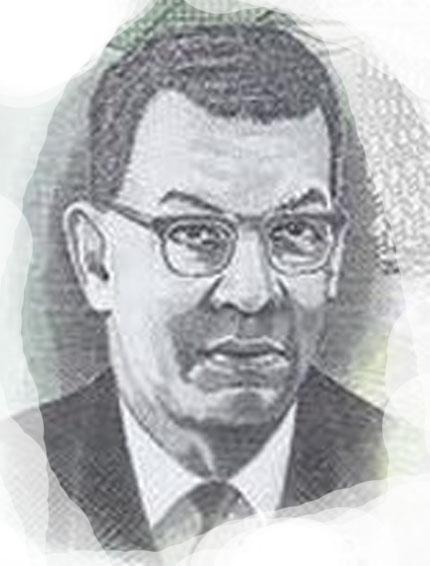
Sir Donald Burns Sangster
A Leader of Quiet Strength and Dignity
Sir Donald Sangster, Jamaica’s second Prime Minister, is remembered as a statesman of exceptional integrity, calm leadership, and unwavering public service. Born in St. Elizabeth in 1911, Sangster devoted much of his life to national development long before assuming the highest political office. His distinguished career included service as Minister of Finance, Minister of Social Welfare, and Deputy Prime Minister, roles he carried out with precision and humility.
When he became Prime Minister in February 1967, Jamaica was still in its early years of self-government. Sangster provided steady leadership and reassurance during a time of social and economic transition. Sadly, his time in office was cut short when he suffered a sudden illness and passed away in April that same year. Yet his contributions remain deeply rooted in Jamaica’s history.
Sangster is honored not only for his brief service as Prime Minister but also for the decades he spent helping shape Jamaica’s path toward stability and growth. Montego Bay’s airport—one of the island’s most important gateways—bears his name in tribute to a man whose leadership, though brief, left an enduring mark of grace and commitment.
IMAGE CREDITS:
– File:Andrew Holness (portrait).jpg- Public domain portrait from U.S. State Department. This image has been extracted from another file: Secretary Pompeo Holds a Joint Press Availability with Jamaican Prime Minister Holness (49429641707).jpg This image is a work of a United States Department of State employee, taken or made as part of that person’s official duties. As a work of the U.S. federal government, the image is in the public domain per 17 U.S.C. § 101 and § 105
– Sir AlexanderBustamante image in Jamaica licensed under CC0 (public domain) @ The Jamaica Information Service
-Sir Donald Burns SangsterPortrait from National Library of Jamaica. Fair use for puplic benefit.
-The Most Hon. Michael Manley – Library of the London School of Economics and Political Science, no known copyright restrictions, Wikimedia Commons (public domain)
– Orette Bruce Golding: Antônio Cruz/ABr – Creative Commons Attribution 3.0 br (Fair use, for puplic benefit)
– Portia Simpson Miller Photo from my Shoot, Creative Commons Zero, Puplic Domain Dedication; The person who associated a work with this deed has dedicated the work to the public domain by waiving all of their rights to the work worldwide under copyright law, including all related and neighboring rights, to the extent allowed by law.
– Hugh Lawson Shearer: White House Naval Photographic Unit – Creative Commons Attribution 3.0, Wikimedia Commons
-Edward Philip George Seaga: Prime Minister of Jamaica, Edward Seaga, right, is greeted upon his arrival for a visit to the United States. A1C Virgil C. Zurbruegg, Andrews Air Force Base – Public domain
– Percival Noel James Patterson: Copyright 2005, 2007 Jeffrey O. Gustafson – released under the GFDL and CC-BY-SA-2.0: All structured data from the file namespace is available under the Creative Commons CC0 License; all unstructured text is available under the Creative Commons Attribution-ShareAlike License – Fair use (for puplic benefits)
Sir Donald Burns Sangster: Derived from Jamaica 100 Dollar observe.jpg ; Hybrid Banknote of Jamaica, Creative Commons Attribution-Share Alike 4.0 (Fair use, public benefit)