Independence 1962
The Birth of a Nation
August 6, 1962, marks one of the most defining moments in Jamaica’s history—the day the island nation officially gained independence from over 300 years of British colonial rule. This historic transition was not only a political achievement, but also the culmination of centuries of struggle, courage, cultural pride, and the unwavering determination of the Jamaican people to claim their identity and destiny. Jamaica’s Independence stands as a powerful testament to the island’s resilience and its profound contributions to global culture, freedom movements, and the spirit of liberty.
A Long Road to Freedom
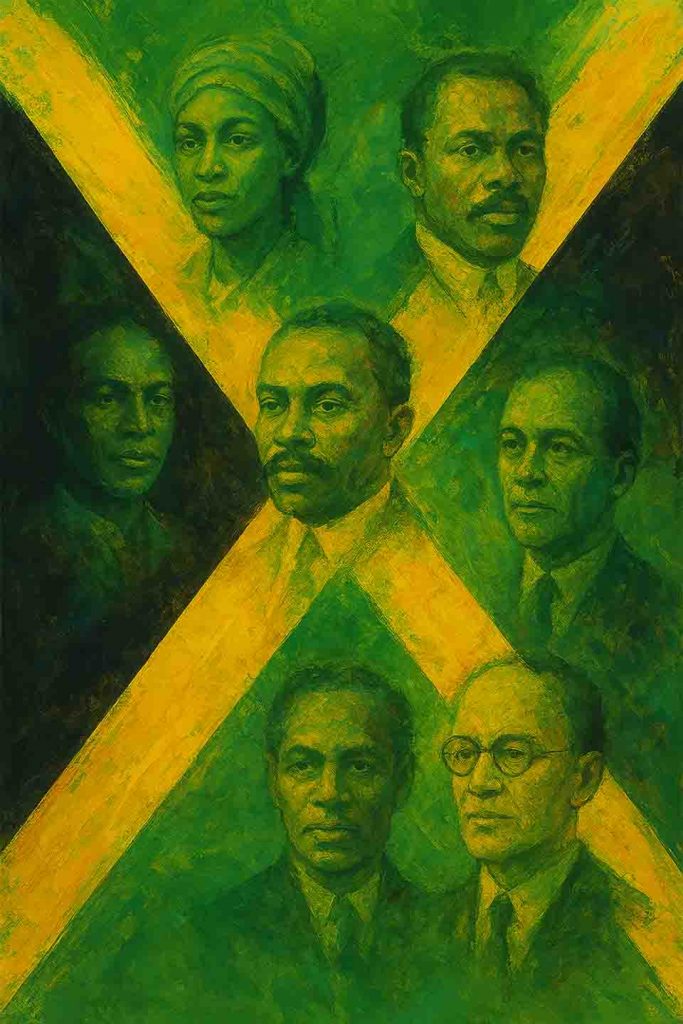
Jamaica’s journey to independence was shaped by the sacrifices of national heroes who fought for justice and equality long before the idea of self-government became a political reality. Leaders like Nanny of the Maroons, Samuel Sharpe, George William Gordon, Paul Bogle, and Marcus Garvey challenged brutal oppression and fueled the desire for freedom among the people. Their stories and rebellions laid the foundation for the political awakening that would come centuries later.
By the early 20th century, social and political reforms began to take shape. Jamaica’s working class demanded better conditions, and unions were formed under leaders such as Sir Alexander Bustamante. At the same time, intellectual visionaries like Norman Manley pushed for greater representation, constitutional reform, and national unity. These movements strengthened the call for self-determination and democracy.
From Colonial Rule to Self-Government
Major constitutional reforms in the 1940s and 1950s signaled Jamaica’s steady move toward independence. The introduction of universal adult suffrage in 1944 allowed Jamaicans from all walks of life to vote for the first time—placing political power directly into the hands of the people.
In 1958, Jamaica joined the West Indies Federation, a political experiment meant to unite several Caribbean islands under one federal government. However, Jamaicans soon voted to withdraw from the federation in a 1961 referendum, choosing instead to pursue full independence as a sovereign nation. This decisive moment made it clear that Jamaica was ready to stand proudly on its own.
August 6, 1962: A New Dawn
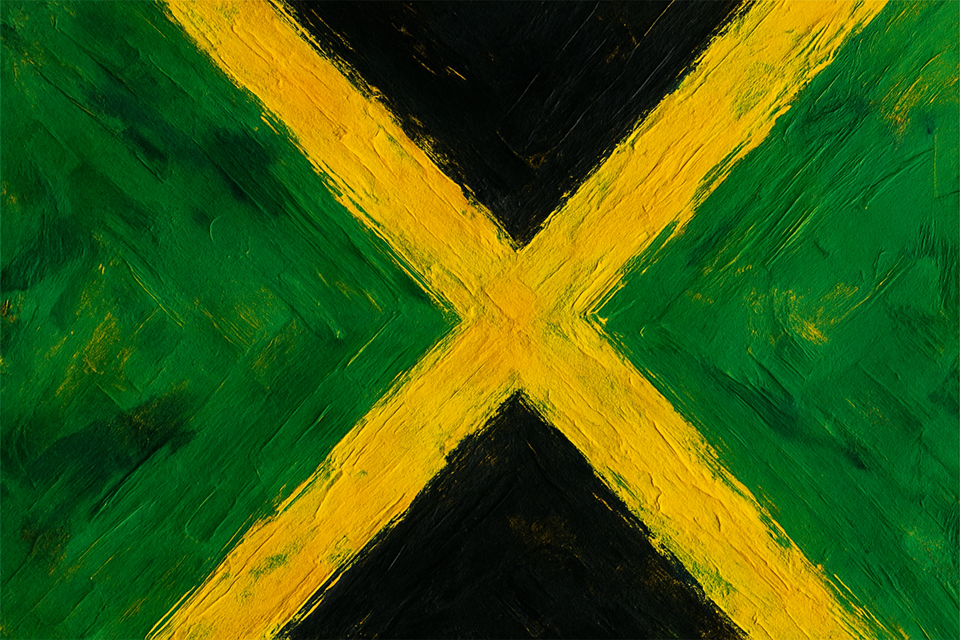
At the stroke of midnight on August 6, 1962, the British flag—the Union Jack—was lowered, and Jamaica’s national flag of Black, Green, and Gold was raised for the first time at the National Stadium in Kingston. The moment was historic, emotional, and symbolic of a new era.
Gold represented the sunshine and natural wealth of the island.
Green symbolized hope and agricultural richness.
Black stood for the strength and creativity of the Jamaican people who had overcome hardships.
During the ceremony, Jamaica’s first Prime Minister, Sir Alexander Bustamante, delivered a message of hope, unity, and growth, while Her Royal Highness Princess Margaret represented the British Crown. Fireworks lit the night sky as Jamaicans celebrated their long-awaited freedom for the first time.
Building a Nation
Independence did not only mean separating from British rule—it meant crafting a national identity. Jamaica quickly established its own:
National Anthem: “Jamaica, Land We Love”
National Pledge
Coat of Arms featuring the crocodile and the Taino heritage
Constitution establishing parliamentary democracy
Membership in the United Nations and Commonwealth of Nations
Cultural pride flourished. Reggae music, mento, ska, dancehall rhythms, literature, and athletic accomplishments on the world stage helped define Jamaica’s powerful global presence.
The Legacy of Independence
Jamaica’s independence remains one of the Caribbean’s most celebrated milestones. The island’s influence in music, sports, culture, and diplomacy has made it a shining light on the international stage. The achievements of icons such as Bob Marley, Usain Bolt, Louise Bennett-Coverley, Shelly-Ann Fraser-Pryce, and countless others reflect the unstoppable spirit born from that moment in 1962.
Independence is celebrated every year as part of Jamaica Independence Week, filled with cultural festivals, flag-raising ceremonies, parades, music, and the vibrant expressions of Jamaican pride.
A Nation Rooted in Strength and Hope
Jamaica’s journey to independence was shaped by extraordinary resilience and guided by leaders who envisioned a free, united, and prosperous nation. Today, the island continues to build on that foundation, embracing its motto:
“Out of Many, One People.”
This motto reflects the diverse roots of the Jamaican people—African, European, Indigenous, Asian, and Middle Eastern—and celebrates the unity that binds the nation together.
More than six decades later, August 6, 1962 remains a symbol of liberation, identity, and national pride. It marks the day Jamaica took control of its future—a day forever etched in the hearts of its people as the true birth of a bold and vibrant nation.